



When it comes to premium office chairs, a few names dominate the conversation. Established ergonomic brands have spent decades refining adjustability, comfort, and mass-market usability.
But a new category is emerging — one that borrows more from motorsport engineering than from traditional office furniture.
This is where Fiberseats One enters the picture.
Rather than competing directly on adjustability alone, it rethinks what a high-performance chair can be: structurally, materially, and visually.
So how does it actually compare?
Two Different Philosophies
At first glance, all premium chairs seem to solve the same problem: sitting comfortably for long hours.
In reality, they approach it from fundamentally different directions.
Traditional ergonomic chairs are designed to:
- accommodate as many body types as possible
- offer a wide range of adjustments
- optimize for flexibility and cost-efficient production at scale
Fiberseats One, on the other hand, is built with a more focused philosophy:
- prioritize structural integrity
- use uncompromising materials
- deliver a stable, consistent seating experience over time
This difference shapes everything that follows.
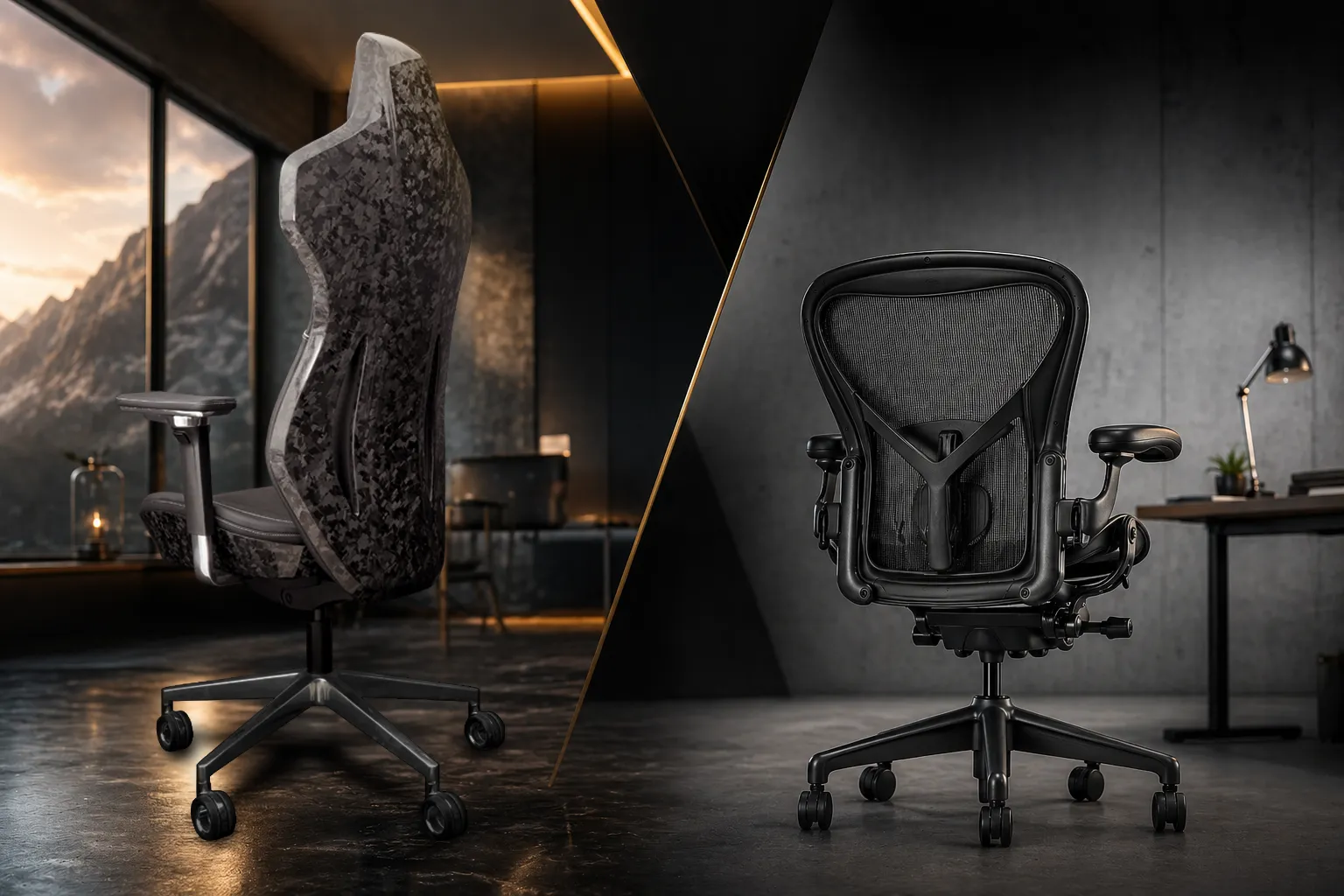
Construction: Assembly vs. Monocoque
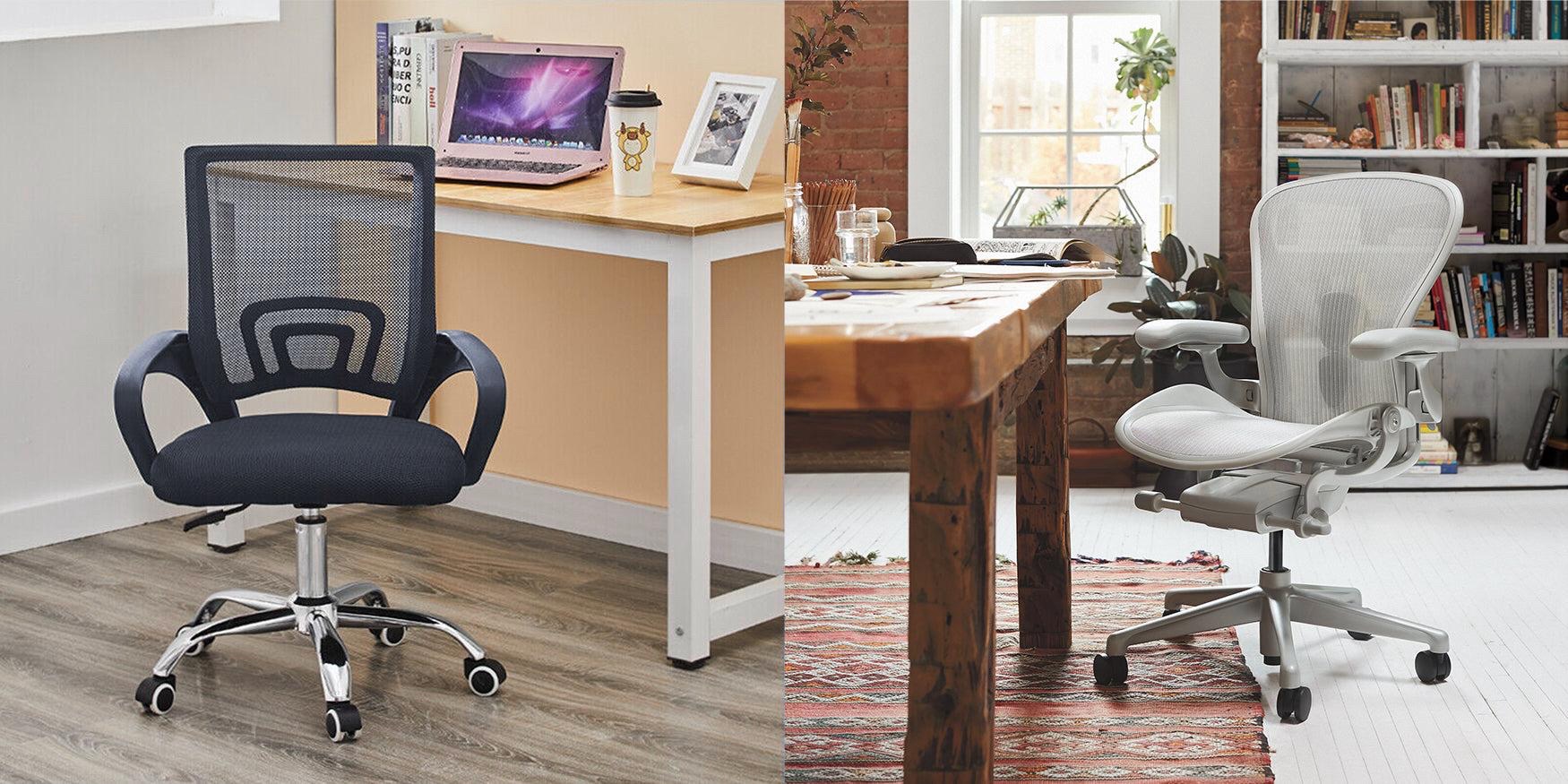
Most high-end office chairs are made from multiple components: plastic frames, mesh backs, mechanical joints, and fasteners.
This approach allows flexibility and adjustability — but it also introduces complexity and potential wear points over time.
Fiberseats One takes a completely different route.
It uses a full carbon fiber monocoque structure — a concept borrowed from aerospace and high-performance automotive design. Instead of assembling multiple structural parts, the chair is built as a unified shell.
The result is:
- increased rigidity
- fewer structural weak points
- a more solid, planted feel during use
It’s not just a material difference — it’s an engineering philosophy shift.
Materials: Functional vs. Exceptional
Traditional ergonomic chairs are optimized around materials that balance:
- performance
- weight
- scalability
- cost
You’ll typically find high-quality plastics, mesh, and standard upholstery.
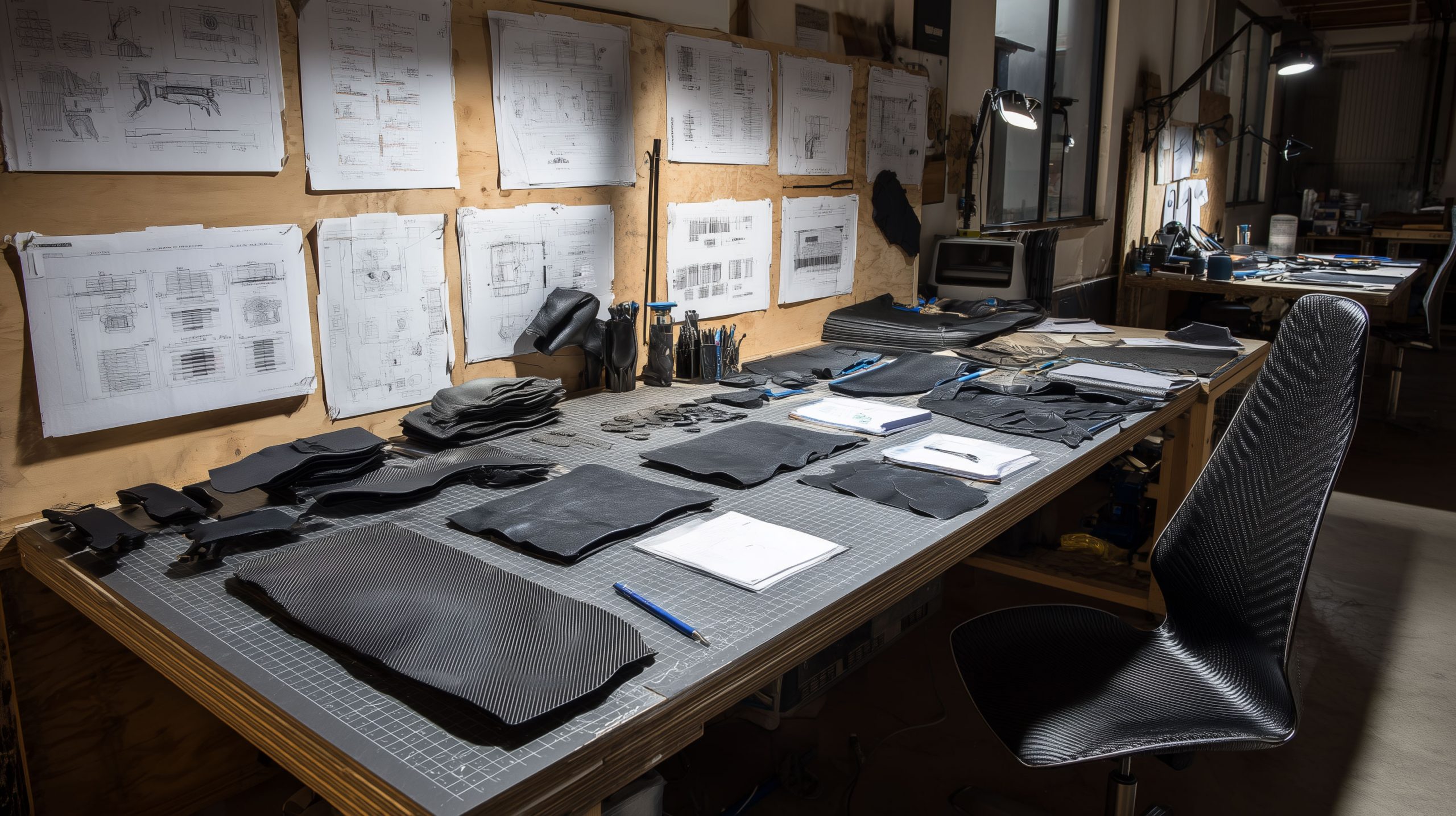
Fiberseats One moves into a different tier of material selection:
- structural carbon fiber
- precision-machined metal components
- automotive-grade leather
These materials aren’t chosen for efficiency — they’re chosen for performance, longevity, and tactile quality.
The difference is immediately noticeable, both visually and physically.
Sitting Experience: Adaptive vs. Grounded
Ergonomic chairs are designed to adapt to you.
They encourage movement, frequent posture changes, and fine-tuned adjustments. For many users, this flexibility is exactly what they need.
Fiberseats One offers a different kind of experience.
Instead of constant micro-adjustment, it provides:
- a stable seating platform
- controlled, deliberate movement
- consistent support over long periods
This creates a more “grounded” feeling — closer to sitting in a performance seat than in a conventional office chair.
For users who spend extended hours at their desk, this consistency can be a defining factor.
Longevity: Designed Lifespan vs. Structural Endurance
Even premium office chairs are typically designed around a realistic lifecycle.
They are durable, but they are also products of industrial manufacturing, where replacement over time is expected.
Fiberseats One is built with a different mindset.
The use of carbon fiber as a primary structure changes the equation:
- high resistance to fatigue
- minimal structural degradation over time
- long-term consistency in performance
Instead of thinking in product cycles, the chair is positioned as a long-term piece — closer to engineered equipment than consumable furniture.
Aesthetic and Presence
Most office chairs are designed to disappear into the workspace.
They are intentionally neutral, functional, and visually understated.
Fiberseats One does the opposite. It is designed to be seen:
- exposed carbon fiber surfaces
- clean, sculptural form
- visual language inspired by high-performance engineering
It functions as both a tool and a statement object.
For some buyers, this alone is a decisive factor.
Who Each Option Is For
Traditional ergonomic chairs are ideal if you:
- want maximum adjustability
- prefer a widely tested, standardized solution
- value flexibility across different users
Fiberseats One is designed for those who:
- spend long hours seated and value consistency
- prioritize materials and structural integrity
- want a workspace object that stands apart
Not a Replacement — A Different Category
It’s important to understand: this is not a simple upgrade path.
Fiberseats One is not trying to be a better version of a traditional task chair.
It represents a different category entirely — one that blends engineering, material science, and design into a single object.
Final Thoughts
Choosing a high-end chair is no longer just about ergonomics.
It’s about how you define performance in your workspace.
If you’re looking for a highly adjustable, proven ergonomic system, traditional options remain a strong choice.
If you’re drawn to structural innovation, uncompromising materials, and a more defined seating experience, Fiberseats One offers something fundamentally different. And for a growing number of buyers, that difference is exactly the point.